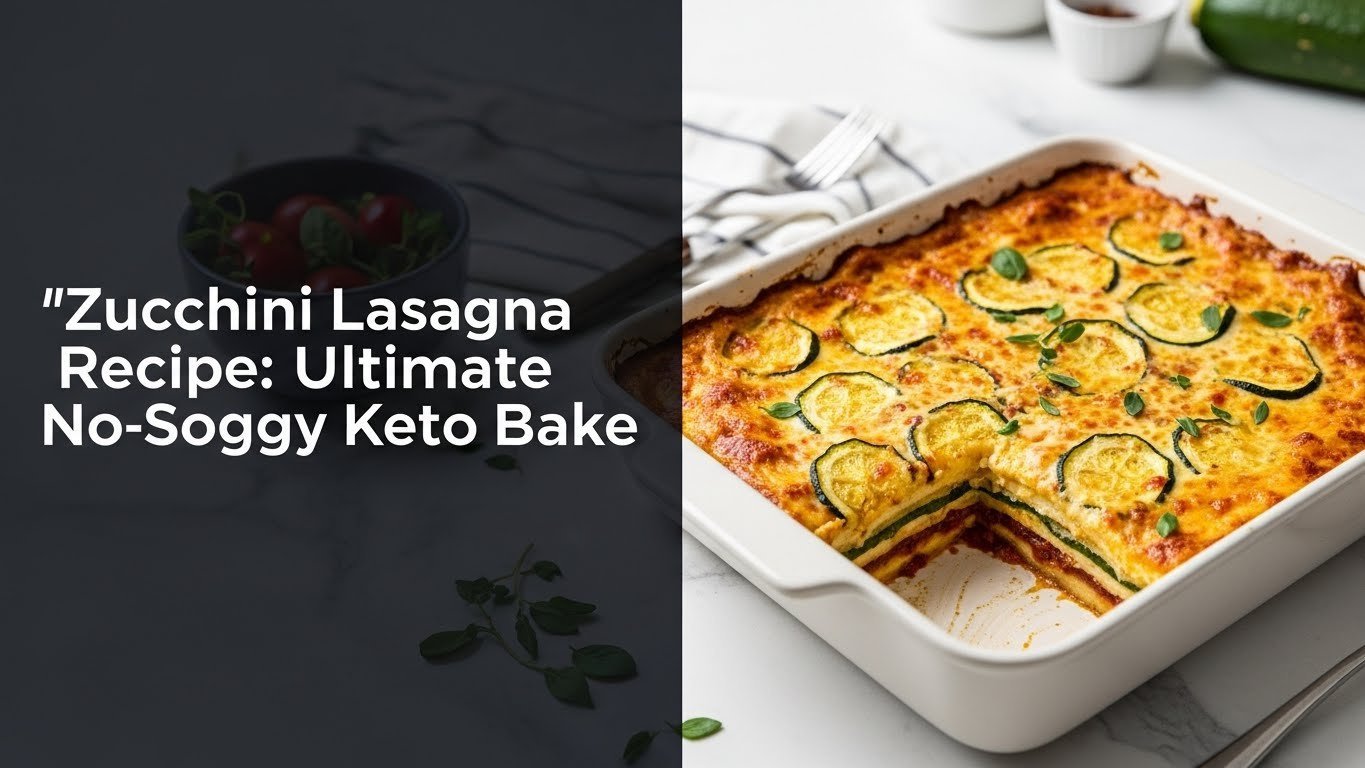
No More Soggy! Master Zucchini Lasagna with These Expert Tips
There are few dishes as comforting and universally loved as a generous slice of lasagna. The rich layers of savory sauce, creamy cheese, and tender pasta create a symphony of flavors and textures. But what happens when you crave that comforting experience with a healthier, garden-fresh twist? Enter zucchini lasagna – a fantastic, vegetable-packed alternative that replaces traditional noodles with thinly sliced zucchini ribbons. It's a brilliant way to enjoy a hearty meal, especially when your summer garden is overflowing with the prolific green squash.
However, many home cooks face a common, disheartening challenge: a watery, disappointing `lasagna zucchini casserole`. Zucchini, being over 90% water, has a notorious habit of releasing all that moisture during baking, turning your carefully constructed layers into a soupy mess. The good news? Achieving a firm, flavorful, and delightfully dry zucchini lasagna is entirely possible with the right techniques. You don't have to sacrifice taste or texture for a healthier, low-carb option. Let's dive into the expert tips that will transform your zucchini lasagna from soggy to spectacular.
The Core Challenge: Why Zucchini Lasagna Gets Watery (and How to Fix It)
Understanding the enemy is the first step to conquering it. Zucchini’s high water content is both its blessing (making it hydrating and low-calorie) and its curse (making it prone to releasing liquid when cooked). As your lasagna bakes, the heat causes the water trapped within the zucchini cells to escape, pooling at the bottom of your dish, diluting your sauce, and creating an undesirable mushy texture. This is particularly problematic in a layered dish where liquid can't easily evaporate.
To combat this, our strategy focuses on minimizing the moisture from *every* component of your `lasagna zucchini casserole`, not just the zucchini itself. We'll explore methods to physically remove water, absorb it, and prevent its introduction in the first place, ensuring each bite is packed with flavor and holds its structural integrity.
Precision Slicing: The Foundation of Firm Layers
The journey to a dry zucchini lasagna begins before any cooking happens, right at the slicing stage. The thickness of your zucchini "noodles" plays a crucial role in how much moisture they retain and release. Aim for slices that are **no thicker than 1/4 inch**. Thicker slices hold significantly more water and will make your lasagna watery and potentially mushy.
For consistent, paper-thin slices, a mandoline slicer is your best friend. It allows for uniform thickness, which is key for even cooking and moisture release. Remember to use a guard and follow all safety tips when operating a mandoline. If you don't have one, a very sharp knife and a steady hand can achieve decent results, but consistency will be harder to maintain. Thin slices not only reduce water content but also cook faster and integrate better into the lasagna's structure, mimicking pasta more effectively.
Pre-Treatment Techniques for Zucchini "Noodles"
Once sliced, your zucchini still needs some encouragement to let go of its water. There are several effective pre-treatment methods, each with its own advantages:
1. The Salting & Draining Method (Highly Recommended for Gluten-Free)
This is arguably the most effective and widely recommended method for drawing out moisture without altering the zucchini's texture too drastically. It relies on osmosis to pull water from the vegetable.
- How to do it: Lay your thinly sliced zucchini ribbons in a single layer on paper towels or a clean kitchen towel. Sprinkle them generously with salt (kosher salt works well). Let them sit for **15 to 30 minutes**. You'll notice beads of water forming on the surface.
- The crucial next step: After resting, firmly pat the zucchini slices dry with paper towels. You'll be amazed at how much liquid is absorbed. Repeat with fresh paper towels until the slices feel truly dry to the touch. This step is critical; don't skip it!
- Benefit: This method removes a significant amount of water while keeping the zucchini's integrity intact, making it perfect for replacing traditional pasta noodles. It's also the go-to technique if you're making a Healthier Twist: Delicious Zucchini Lasagna, No Noodles Required and skipping flour.
2. Flour Dusting (for Non-Gluten-Free Versions)
If you don't need a gluten-free dish, a light dusting of flour can work wonders by absorbing moisture as the casserole bakes.
- How to do it: After slicing, lightly toss the zucchini strips with a tablespoon or two of all-purpose flour. Ensure each slice is thinly coated.
- Benefit: The flour acts like tiny sponges, soaking up the released water as it cooks, preventing it from pooling in the dish. This is a quicker alternative to salting if you're short on time.
3. Pre-Cooking: Grilling or Roasting
Pre-cooking your zucchini slices before layering them is another powerful way to reduce water content, though it does impact texture and adds an extra step.
- How to do it: You can grill the slices for a few minutes on each side until tender with grill marks, or roast them in a single layer on baking sheets in a hot oven (around 400°F / 200°C) for 10-15 minutes, flipping halfway. Ensure they are blotted dry after pre-cooking.
- Benefit: This method removes a substantial amount of water and can impart a slightly smoky or caramelized flavor.
- Consideration: Pre-cooking will make the zucchini softer, which some people prefer, while others might find it too tender for a "noodle" replacement. It also adds significant time to the preparation.
Crafting the Perfect Components for a Dry Zucchini Lasagna
While the zucchini is the primary culprit for a watery lasagna, other ingredients and preparation methods also play a vital role. Ensuring every component is as "dry" as possible contributes to the overall success of your `lasagna zucchini casserole`.
Meat Sauce Mastery
Your meat sauce needs to be rich and flavorful, but not thin or watery. Many store-bought or homemade sauces can carry excess moisture.
- Simmer Uncovered: When making your meat sauce (typically lean ground beef simmered with tomato sauce and seasonings), allow it to simmer uncovered for at least 30-60 minutes. This allows excess moisture to evaporate, concentrating the flavors and thickening the sauce naturally.
- Lean Ground Meat: Using lean ground beef reduces fat, which can also contribute to a greasy, watery consistency if not drained properly. Always drain any rendered fat after browning the meat.
- Thickening Agents (Optional): If your sauce is still too thin, a small amount of tomato paste or a cornstarch slurry can help thicken it in a pinch, but simmering is the preferred method for flavor development. This is especially important if you're making a big batch after a Garden Zucchini Overload? Bake the Ultimate Lasagna Casserole and want to ensure it's perfect.
Cheese Choices that Matter
Cheese is a cornerstone of any lasagna, but some varieties are more prone to weeping than others.
- Mozzarella: Opt for **part-skim mozzarella cheese** over fresh mozzarella. Fresh mozzarella, while delicious, has a much higher water content and will release a lot of liquid during baking. Shred your own part-skim block cheese if possible, as pre-shredded cheese often contains anti-caking agents that can slightly alter texture.
- Ricotta vs. Cottage Cheese: Both are popular choices for the creamy layer. Ricotta is generally denser and smoother than cottage cheese. If using ricotta, especially if it looks wet, you can drain it in a fine-mesh sieve lined with cheesecloth for 15-30 minutes to remove excess whey. Cottage cheese can also be drained if it appears particularly watery. Both work, but moisture control is key.
- Parmesan: Hard cheeses like Parmesan contribute flavor without adding significant moisture. Don't be shy with a good grating!
Other Vegetables (Spinach, Mushrooms)
If you're adding other vegetables like spinach or mushrooms (common in vegetarian zucchini lasagna recipes), they too must be pre-treated to prevent a watery result.
- Spinach: If using fresh spinach, sauté it first until completely wilted and all its liquid has evaporated. If using frozen spinach, thaw it thoroughly and squeeze out *every last drop* of water using a clean kitchen towel or paper towels.
- Mushrooms: Sauté sliced mushrooms until they release their liquid and begin to brown. This process, known as browning, concentrates their flavor and eliminates their moisture.
Assembly & Baking: The Final Touches for Success
Even with meticulously prepared ingredients, proper assembly and baking techniques are essential to prevent a watery `lasagna zucchini casserole`.
- Layering Strategy: Start with a thin layer of meat sauce at the bottom of your baking dish. This creates a barrier, preventing the zucchini from sticking and offering a base for absorption. Don't overload individual layers; thinner, more numerous layers are better than a few thick, watery ones. Alternate zucchini, cheese mixture, and sauce strategically.
- Baking Temperature and Time: Bake your zucchini lasagna in a preheated oven, typically around 375-400°F (190-200°C). Baking uncovered for most of the cooking time (about 40-50 minutes) allows moisture to evaporate from the top layers. If the cheese starts to brown too quickly, you can loosely tent it with foil for the last 10-15 minutes. Bake until bubbly and golden.
- The Golden Rule: REST! This is perhaps one of the most overlooked, yet critical steps for any lasagna, especially zucchini lasagna. Once out of the oven, let your lasagna rest for at least **15-20 minutes** (or even 30 minutes for a firmer set) before slicing and serving. This allows the layers to set, the cheese to firm up, and any remaining liquids to be reabsorbed, preventing it from collapsing into a watery mess on the plate.
Can You Freeze Zucchini Lasagna?
Yes, absolutely! Like its traditional counterpart, zucchini lasagna freezes beautifully. To freeze, assemble the lasagna in a freezer-safe baking dish but do not bake it. Wrap the dish tightly in a layer of plastic wrap, then an additional layer of aluminum foil. Label and freeze for up to three months. When you're ready to enjoy, thaw it in the refrigerator overnight, then bake as directed, possibly adding an extra 10-15 minutes to the baking time to ensure it's heated through.
Conclusion
Say goodbye to disappointing, watery zucchini lasagna! By implementing these expert tips – from precise slicing and effective moisture extraction techniques for your zucchini "noodles" to carefully preparing your sauce and cheese, and finally, mastering the art of assembly and resting – you can achieve a `lasagna zucchini casserole` that is firm, flavorful, and incredibly satisfying. Embrace the abundance of zucchini, enjoy a healthier meal, and delight your taste buds with a dish that stands tall and proud, every single time.
