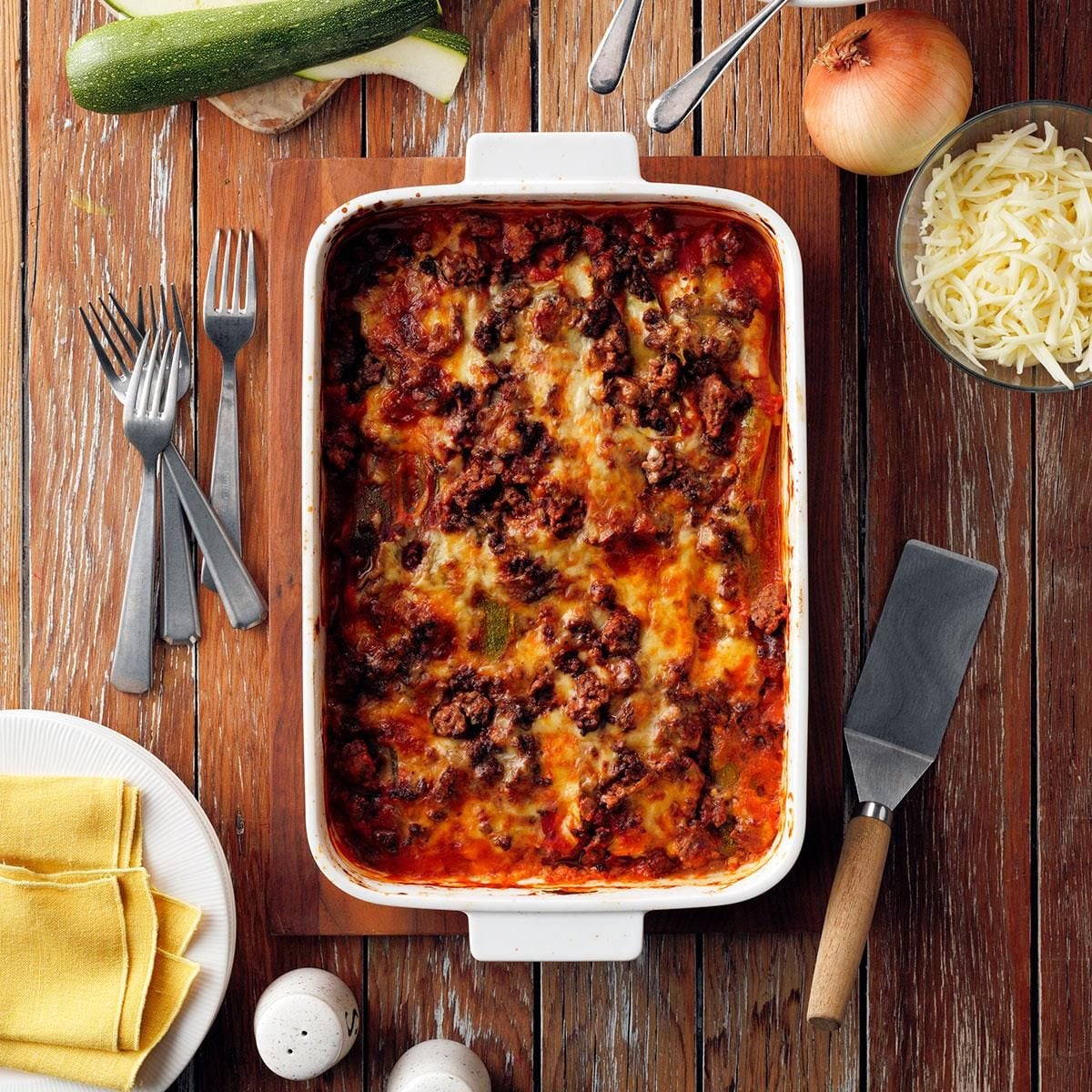
Garden Zucchini Overload? Bake the Ultimate Lasagna Casserole
Ah, the joys of a summer garden! The vibrant colors, the earthy scent, the sheer abundance of fresh produce. But for any seasoned gardener, there's one plant that often brings both delight and a healthy dose of culinary challenge: zucchini. What starts as a few innocent blossoms quickly escalates into a prolific bounty, leaving you with an enviable—and sometimes overwhelming—zucchini overload. Fortunately, rather than resorting to covertly leaving giant marrows on neighbors' doorsteps, there's a delicious, hearty, and incredibly satisfying solution: baking the ultimate lasagna zucchini casserole. This isn't just any weeknight dinner; it's a soul-satisfying experience that perfectly utilizes your garden's generosity, while sneaking in wholesome veggies into a classic comfort food.
The Ultimate Lasagna Zucchini Casserole: A Garden-Fresh Delight
Imagine the rich, savory layers of your favorite traditional lasagna, but with a fresh, vibrant twist. That's exactly what you get with a well-crafted lasagna zucchini casserole. It captures all the beloved elements – the tangy meat sauce, the creamy, bubbling cheese, the herbs and spices – but cleverly replaces pasta noodles with thin, tender slices of fresh zucchini. This swap not only makes it a fantastic way to use up that garden abundance but also offers a lighter, often gluten-free, and certainly more vegetable-packed alternative to its carb-heavy cousin.
Why Zucchini Makes a Superior Noodle Alternative
Beyond simply being a practical way to manage your harvest, zucchini brings unique qualities to the lasagna experience. Its mild flavor acts as a perfect canvas, absorbing the robust flavors of the sauce and cheese without overpowering them. When sliced thin, zucchini softens beautifully during baking, providing a tender texture that mirrors pasta but with added nutritional benefits. It's a fantastic option for those seeking a healthier twist: delicious zucchini lasagna, no noodles required, or anyone looking to reduce their carb intake without sacrificing flavor or satisfaction.
Conquering the Zucchini Challenge: Avoiding a Watery Lasagna
One of the most common pitfalls when cooking with zucchini is its high water content – over 90%! This can lead to a dreaded watery dish, particularly with a lasagna zucchini casserole. But fear not, with a few expert techniques, you can ensure your lasagna remains flavorful, firm, and wonderfully cheesy, not soggy. These aren't just minor adjustments; they are crucial steps to elevate your dish from good to truly ultimate.
Precision Slicing is Paramount
The foundation of a non-watery zucchini lasagna begins with how you prepare the zucchini itself. Thin slices are absolutely critical – aim for no thicker than 1/4 inch, and ideally closer to 1/8 inch. Why? Thinner slices have less internal water to release and cook more evenly, softening into a delightful "noodle" texture without becoming mushy. A mandoline slicer is the perfect tool for achieving such uniform thinness, ensuring consistent results across all your zucchini ribbons. Remember, safety first: always use the guard and consider a cut-resistant glove when operating a mandoline.
Strategic Moisture Extraction Techniques
Once sliced, proactive steps to manage zucchini's moisture are essential. You have several effective strategies at your disposal:
- The Flour Power Method: A simple yet effective trick is to lightly toss your thinly sliced zucchini with a small amount of all-purpose flour before layering. As the casserole bakes, the flour works its magic, absorbing the excess moisture released by the zucchini, helping to thicken the layers and prevent a watery outcome. For a gluten-free alternative, cornstarch or a gluten-free flour blend can often provide similar results.
- The Salting & Drying Technique (for Gluten-Free): If you're making a gluten-free lasagna zucchini casserole and want to skip the flour, the salting method is your go-to. Sprinkle your zucchini slices generously with salt and let them sit for 15-20 minutes. The salt draws out moisture through osmosis. You'll visibly see droplets of water form on the surface. After waiting, firmly pat the slices dry with paper towels. This step effectively pre-dehydrates the zucchini, significantly reducing the amount of water it will release during baking.
- Pre-Cooking Zucchini for Maximum Dryness: For those who demand the firmest, most robust texture from their zucchini layers, pre-cooking is a game-changer. Grilling or roasting the zucchini slices in the oven before assembly will reduce their water content dramatically. While it adds an extra step to your preparation, this method provides the most insurance against a watery lasagna and can impart a lovely caramelized flavor. Be aware that pre-cooking will alter the final texture slightly, making the zucchini layers firmer rather than soft and noodle-like. For a deep dive into mastering this, check out our guide on No More Soggy! Master Zucchini Lasagna with These Expert Tips.
Crafting Your Ultimate Lasagna Zucchini Casserole: Key Ingredients and Assembly
With your zucchini prepped for success, it's time to focus on the other delicious components that make this lasagna zucchini casserole truly ultimate.
Selecting Your Zucchini
For the best results, opt for small to medium-sized zucchini. These tend to have fewer and smaller seeds, a firmer flesh, and a more delicate flavor. Avoid oversized zucchini if possible, as they often have large, tough seeds and a somewhat mushy, stringy texture that isn't ideal for "noodle" layers.
The Heart of the Dish: Meat Sauce Perfection
A rich, savory meat sauce is non-negotiable for a truly satisfying lasagna. We recommend simmering lean ground beef (or a combination of beef and Italian sausage for extra flavor) with quality tomato sauce, crushed tomatoes, and a medley of classic seasonings like oregano, basil, garlic, and onion powder. A key tip to manage moisture in the sauce itself is to simmer it uncovered. This allows excess liquid to evaporate, concentrating the flavors and ensuring your sauce isn't adding to any potential wateriness. For an even deeper flavor, a splash of red wine or a hint of balsamic vinegar can work wonders.
Creamy, Cheesy Layers
What's lasagna without generous, gooey cheese? The creamy cheese filling is critical. When it comes to the white cheese layer, the choice between ricotta and cottage cheese often comes down to personal preference. Ricotta offers a richer, smoother texture, while cottage cheese (especially small curd) can provide a lighter, tangier contrast. Whichever you choose, consider beating an egg into the mixture; this acts as a binder, helping the cheese layer set beautifully during baking. For the melting, bubbling top, part-skim mozzarella is generally preferred over fresh mozzarella. Part-skim has a lower moisture content, which is crucial for preventing a watery casserole. Don't be shy about adding a generous grating of Parmesan or Pecorino Romano between layers for an extra punch of umami flavor.
Assembling Your Masterpiece
Once all your components are ready, assembling your lasagna zucchini casserole is straightforward. Start with a thin layer of meat sauce on the bottom of your baking dish to prevent sticking. Then, lay down your prepped zucchini slices, overlapping them slightly to create a continuous "noodle" layer. Spoon on a layer of your creamy cheese mixture, then more meat sauce. Repeat this layering until you reach the top, finishing with a generous layer of mozzarella and Parmesan. For extra texture, you can sprinkle a little panko breadcrumbs mixed with olive oil on top before baking.
Beyond the Bake: Freezing and Customization
Freezer-Friendly Feasting
One of the many advantages of a lasagna zucchini casserole, much like its pasta-laden counterpart, is its freezer-friendliness. This makes it an ideal meal-prep option or a fantastic dish to give to friends or family. To freeze, assemble the lasagna in a freezer-safe baking dish, but do not bake it. Wrap it tightly first in a layer of plastic wrap, then an outer layer of aluminum foil. Label clearly with the date and cooking instructions. It can be frozen for up to three months. When you're ready to enjoy it, thaw the casserole in the refrigerator overnight, then bake as directed, adding a few extra minutes to account for its chilled state.
Vegetarian and Vegan Twists
While our focus here has been on a meat-based lasagna, this dish is incredibly versatile. For a delightful vegetarian version, swap the ground beef for hearty sautéed mushrooms (cremini work wonderfully), spinach, bell peppers, or even crumbled plant-based meat substitutes. The principle of moisture reduction still applies to other vegetables too; ensure any high-water content veggies are pre-cooked or thoroughly drained. For a full vegan adaptation, you can use plant-based cheeses and create a "ricotta" from blended tofu or cashews. This flexibility is another reason why zucchini lasagna is such a beloved dish, catering to diverse dietary needs and preferences.
Flavor Enhancements and Dietary Considerations
Don't hesitate to experiment with your lasagna zucchini casserole. A sprinkle of red pepper flakes in the sauce adds a gentle heat, while a swirl of pesto over the cheese layer can introduce bright, herbaceous notes. Consider adding roasted garlic or caramelized onions to your sauce for deeper flavor. For those mindful of sodium, opt for low-sodium broths, sauces, and cheeses. The beauty of homemade is that you control every ingredient, tailoring it perfectly to your taste and dietary requirements.
From garden overabundance to a truly impressive, hearty, and wholesome meal, the lasagna zucchini casserole is a culinary triumph. It’s a testament to the versatility of this humble squash and a delicious way to enjoy the bounty of your efforts. So, the next time your zucchini plants go wild, embrace the challenge, preheat your oven, and prepare to delight in a dish that’s sure to become a cherished family favorite. Enjoy your garden's generosity in the most delicious way possible!
